
Essential care. Essentially you.
Sugar and Your Skin
How the sugar in your diet can influence collagen, elasticity and ageing, and small, meaningful changes that support your skin over time.
By Fernanda ·
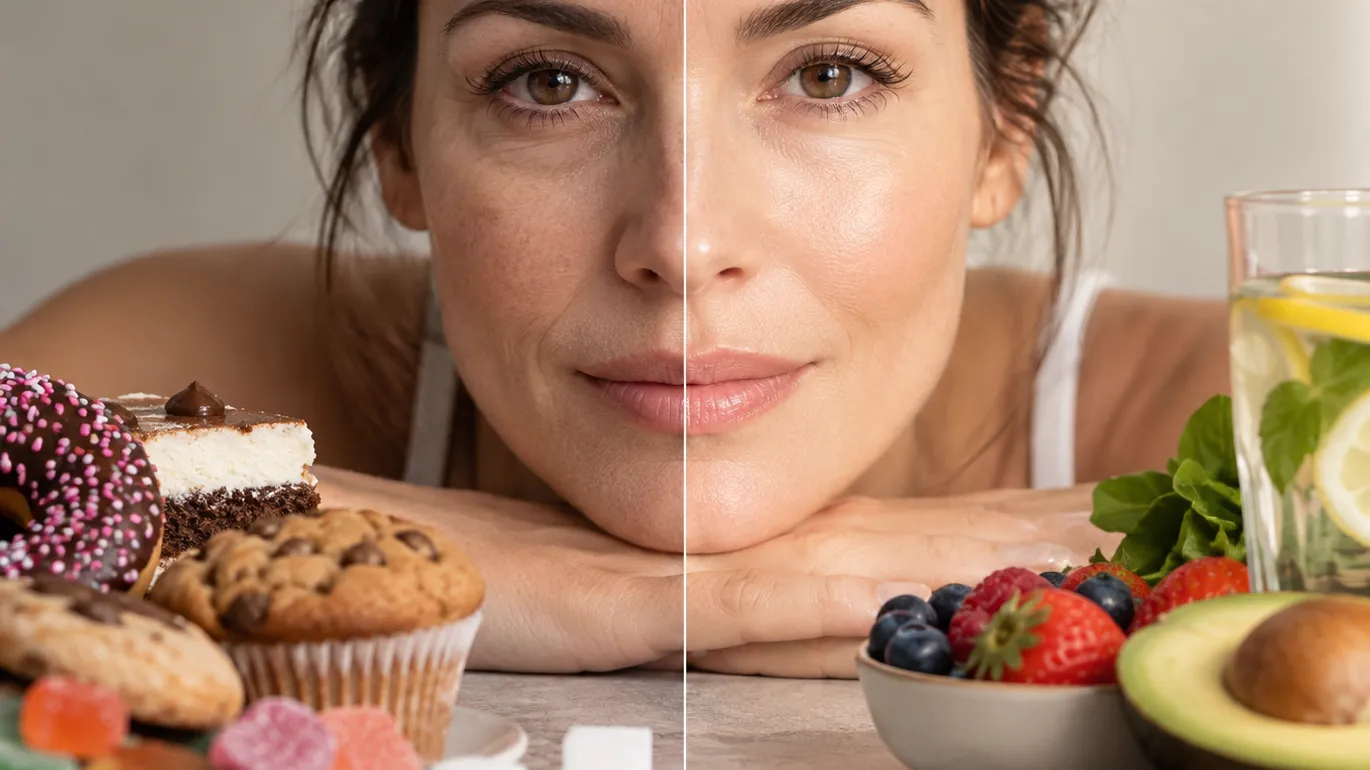
We often focus on finding the right skincare products and treatments to keep our skin looking healthy, firm and radiant. But have you ever considered how the sugar in your diet might influence your skin?
Our skin is constantly responding to what happens inside our bodies, including changes in blood glucose levels.
One of the ways sugar can influence skin ageing is through a natural process called glycation. Understanding how this works can help us make small, meaningful lifestyle choices that support our skin over time.
What is glycation?
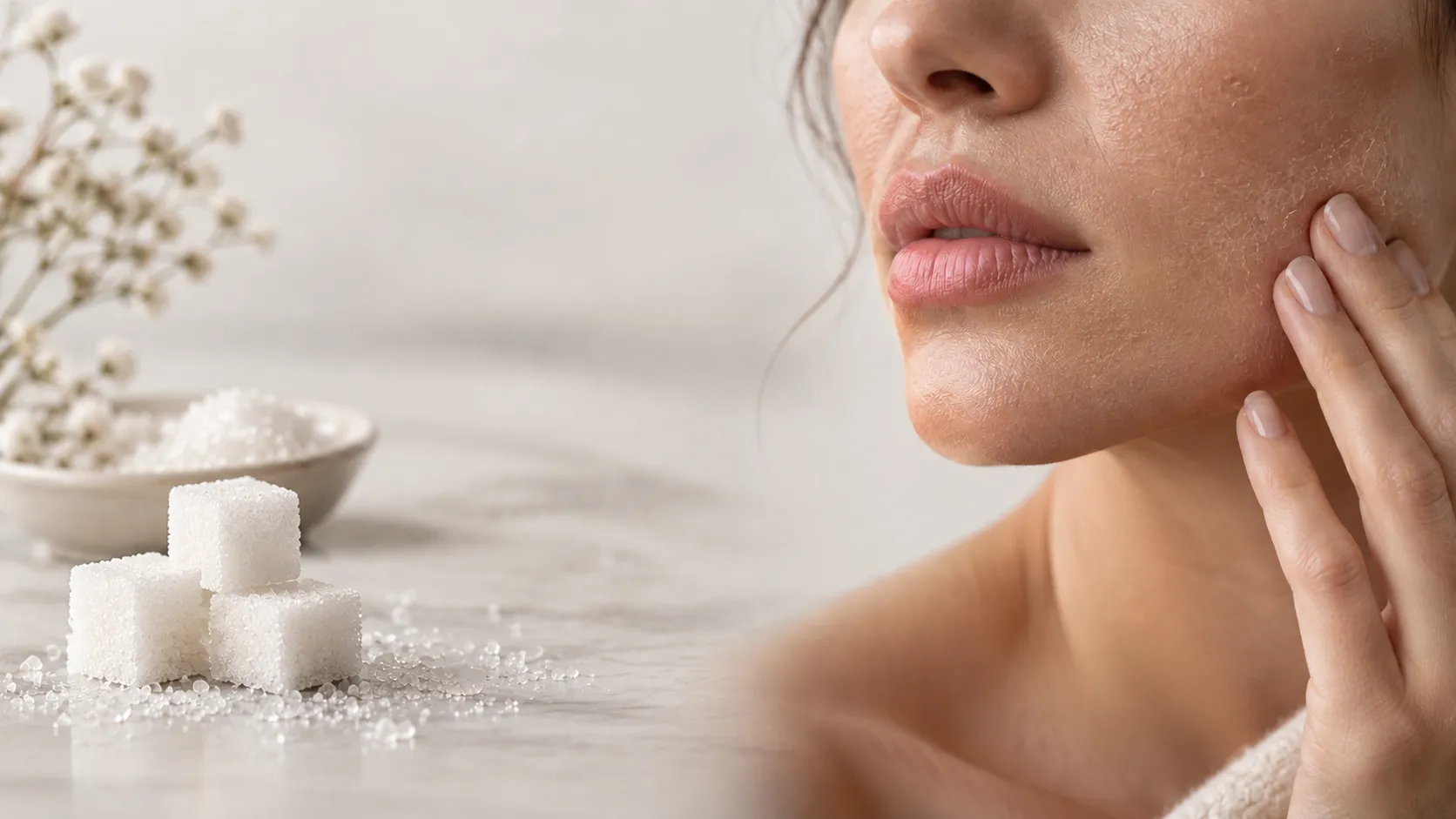
Glycation occurs when sugars in our bloodstream attach to proteins in the body, including collagen and elastin.
Collagen provides structure and firmness to the skin, while elastin allows it to stretch and return to its original shape.
When sugar attaches to these proteins, it can lead to the formation of compounds called Advanced Glycation End Products (AGEs).
Over time, these compounds can accumulate, causing collagen and elastin to become stiffer and less flexible. This may contribute to:
- Loss of skin firmness and elasticity.
- Fine lines and wrinkles.
- Changes in skin texture.
- Reduced ability of the skin to repair itself.
Glycation is a natural process that occurs as we age, but persistently elevated blood glucose can accelerate it. Research also suggests that UV exposure can contribute to glycation-related skin damage.
This is another reminder that protecting our collagen involves more than applying skincare products.
How does diabetes affect the skin?
Diabetes provides an important example of the relationship between blood glucose and skin health.
When blood glucose remains elevated over time, it can increase glycation and affect circulation and the body’s natural healing processes.
People living with diabetes may experience dry, itchy skin, slower wound healing and an increased risk of skin infections. Some may also develop darker, thicker patches of skin, particularly around the neck or armpits, which can be associated with insulin resistance. These changes do not affect everyone and can also have other causes.
This highlights how closely our skin health is connected to what happens inside our bodies.
If you have diabetes and notice persistent skin changes, signs of infection or wounds that are slow to heal, it’s important to seek medical advice.
Does this mean we should stop eating sugar?
The key is moderation. While our bodies need glucose for energy, we don’t need to consume added sugar to obtain it.
Persistently high blood glucose levels can accelerate glycation, so being mindful of our sugar intake is an important part of supporting skin health.
The NHS recommends that adults consume no more than 30g of free sugars per day. This includes added sugars, honey, syrups and fruit juices. The natural sugars found in whole fruit, vegetables and milk do not count towards this limit.
Enjoying a piece of cake or your favourite dessert occasionally is absolutely fine. What matters most is your overall eating pattern and long-term metabolic health.
Simple changes, such as reducing sugary drinks, choosing whole fruit over fruit juice and enjoying a balanced diet, can help support healthy blood glucose levels and your skin over time.
The Essência Skin approach
At Essência Skin, we believe that healthy skin is supported from both the inside and the outside.
Professional treatments and a well-chosen skincare routine can help improve the appearance and condition of your skin, but they are only part of the picture.
Nutrition, exercise, sleep, stress management and sun protection all deserve a place in the conversation.
Understanding processes such as glycation helps us look beyond the surface and appreciate how closely skin health is connected to our overall wellbeing.
Because supporting your skin isn’t just about what you apply to it. It’s also about how you care for yourself every day.
Essential care. Essentially you.
Disclaimer: This article is for general information only and is not a substitute for professional medical advice. If you have any health concerns, please consult a qualified healthcare professional before making significant changes to your diet or lifestyle, particularly if you have an existing medical condition or take medication.

Reveal the essence of radiant skin
Whether you are ready to book or would like to ask a question first, I'd love to help you choose the right treatment for your skin.
Book your appointment